The nomadic journey is not just about accumulating destinations. Structuring research around specific topics – bike routes, road trips, digital nomad life, regulations on free parking – helps filter out the noise and access operational information directly. Here, we detail the thematic areas that deserve sustained attention for any experienced nomadic traveler.
Slowmadism and digital nomad life: a paradigm shift
The model of the digital nomad hopping between capitals every two weeks is losing momentum. Since 2024-2025, slowmadism has emerged as the dominant practice among a growing fraction of remote workers: staying several months in the same place, settling into a neighborhood, learning the local language.
This approach reduces the fatigue associated with constant mobility and decreases the carbon footprint of travel. Sections dedicated to digital nomad life must integrate this qualitative shift, moving away from the “one country per week” narrative still prevalent in general guides.
We recommend prioritizing platforms that document long stays: cost of living over several months, neighborhood coworking, local administrative procedures, access to healthcare. A portal that covers these topics in depth, such as the entire E-Nomad sections, offers a structured entry point to navigate these themes without distraction.

Regulations on overnight parking for vans and RVs
Any serious content on nomadic travel must address the growing regulatory pressure on free parking. Restrictions are tightening across Europe, and travelers in vans or RVs who ignore this face significant fines.
A concrete example: the municipality of Chamonix-Mont-Blanc issued an order in August 2026 prohibiting overnight parking of vans outside designated areas, creating a specific parking lot and imposing fines. Such measures are multiplying in saturated tourist areas.
Conversely, some regions, mainly in the north, maintain a right of access to nature that allows for tent pitching under strict conditions: minimum distance from homes, limited to one night, prohibition of motorized vehicles outside designated spots.
- Check municipal orders before each overnight stop, including in rural municipalities that are increasingly adopting seasonal restrictions.
- Distinguish between parking (allowed on public roads for a self-contained vehicle) and camping (setting up outside the vehicle, often prohibited outside designated areas).
- Consult collaborative van-life parking apps, updated by users after inspections or fines.
An updated “regulations” section is a quality marker for any nomadic media. Guides that stick to a “total freedom, off the beaten path” narrative without mentioning these constraints expose their readers to unpleasant surprises.
Bike routes and discovery roads in France
Biking is the most sought-after topic among French-speaking outdoor nomads. Queries consistently combine “bike,” “France,” “route,” “villages,” and “paths.”
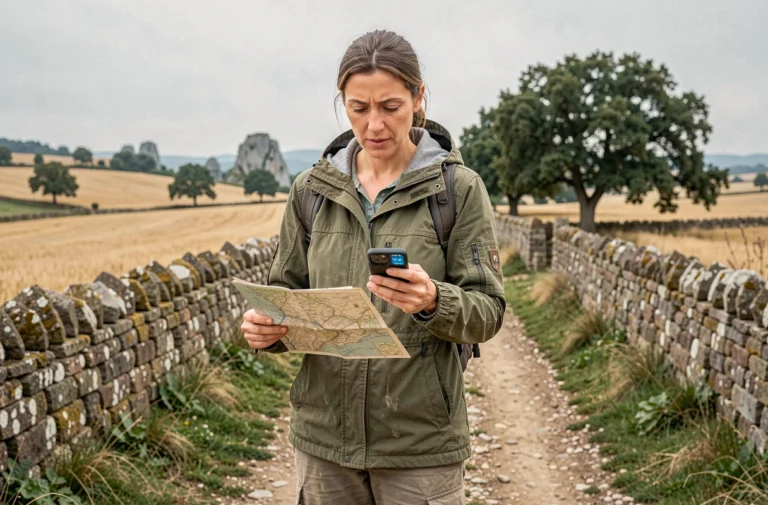
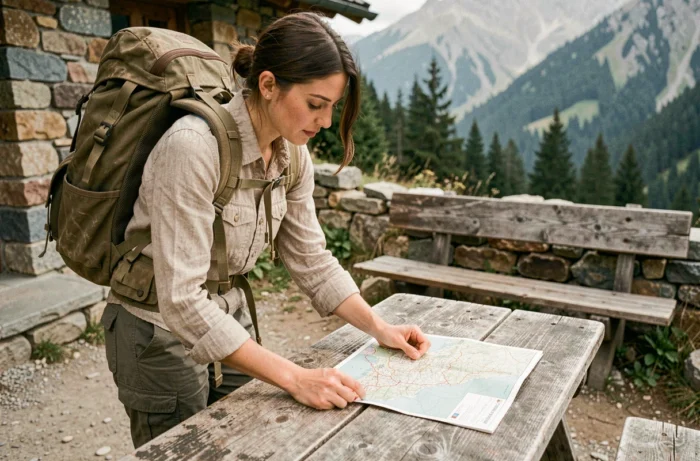
Good content in this segment does not just list GPS tracks. It covers fine logistical aspects: cumulative elevation gain per stage, availability of water points, presence of shops in the villages crossed, actual condition of paths (paved, dirt, white road).
Discovery routes by bike in France also gain interest when they intersect with cultural themes: vineyards, Roman heritage, local markets. This intersection between a sporting itinerary and local encounter experience distinguishes useful sections from mere kilometer listings.
- Favor itinerary sheets that indicate the type of bike suitable (road, gravel, mountain bike) rather than a “universal” route.
- Look for dated field feedback: a path passable in June may be impassable in November.
- Cross-reference altitude data with the travel period to anticipate closed passes or deteriorating weather conditions.
Road trip and custom agency: advanced selection criteria
The “road trip” section remains a cornerstone of nomadic travel, but the expectations of travelers have significantly increased. Comparing agencies solely on price is no longer sufficient. We observe that experienced nomads first evaluate the flexibility of the proposed itinerary.
A truly “custom” road trip must allow for changes in the order of stops, adding or subtracting days along the way, and benefit from local assistance reachable outside office hours. These three criteria separate specialized agencies from resellers of standardized packages.
Adventure and freedom tourism also involves a section dedicated to insurance and health coverage abroad. Standard travel insurance does not always cover prolonged nomadism or outdoor activities (trekking, biking, climbing). Checking contractual exclusions before departure remains a step that too many contents overlook.
Travel enthusiasts would benefit from structuring their monitoring around these specific axes rather than navigating through general content. The quality of a section is measured by its ability to provide dated, verifiable, and directly applicable information on the ground.